Common Misconceptions About Room Sharing and WiFi Connectivity


Understanding Room Sharing
Room sharing has become increasingly popular, especially among students and young professionals looking to save on housing costs. However, there are several common misconceptions about this arrangement that might deter people from considering it. One major misconception is that sharing a room automatically means sacrificing privacy. In reality, many shared spaces are thoughtfully designed to ensure personal space and privacy.

Another myth is that room sharing is only suitable for college students or young adults. In truth, people of all ages and backgrounds can benefit from sharing a room, whether for financial reasons or the desire for companionship. It's essential to have open communication and clear boundaries to make the arrangement work for everyone involved.
WiFi Connectivity Concerns
A common worry among potential room sharers is the quality of WiFi connectivity. There's a belief that more people using the internet in the same space will automatically result in slower speeds. While increased usage can affect performance, modern routers and internet plans are designed to handle multiple devices. It's crucial to choose a plan that meets the household's needs.
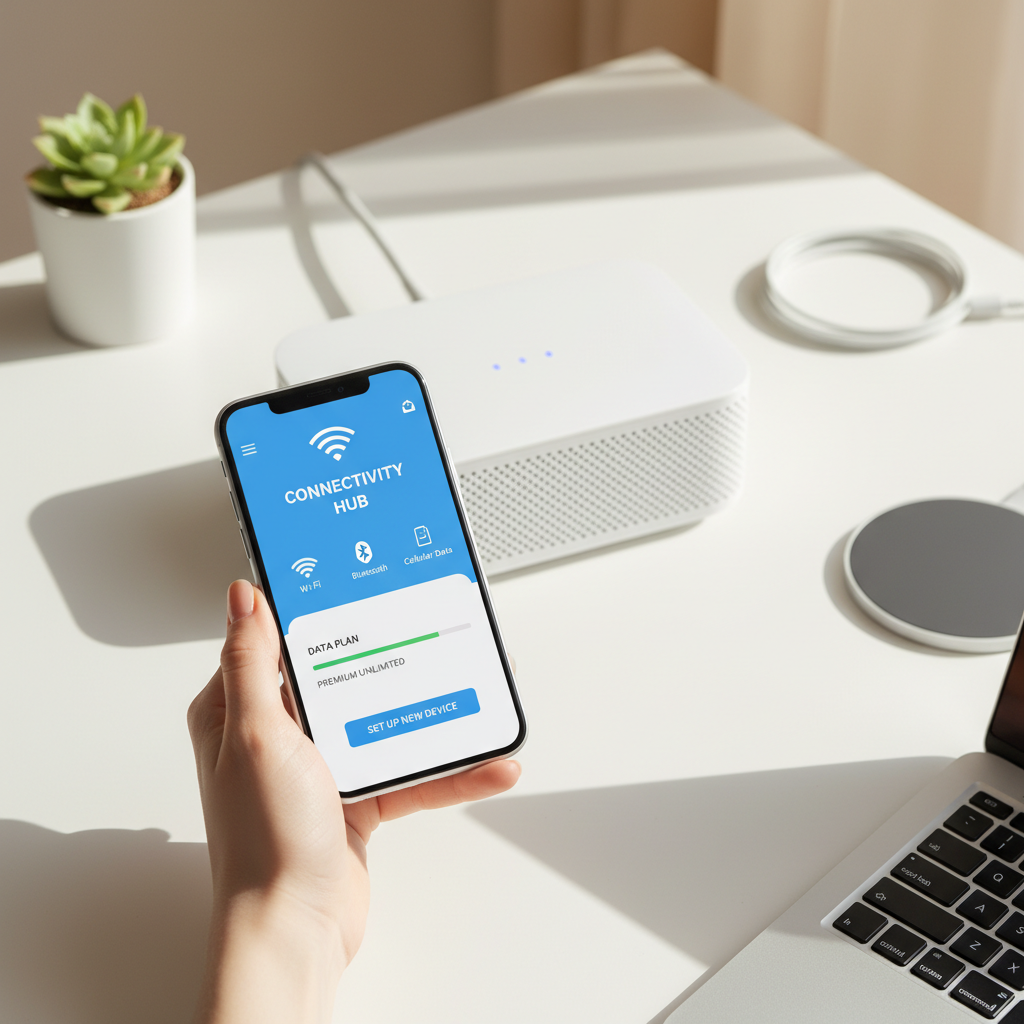
Additionally, many assume that setting up a shared WiFi network is complicated. In fact, with the right equipment and a basic understanding of network settings, setting up a secure and efficient WiFi network is relatively straightforward. Ensuring the router is placed in a central location can also help in providing a strong signal throughout the shared space.
Tips for Successful Room Sharing
To make room sharing work, communication is key. Regular meetings or check-ins can help address any concerns or conflicts that arise. Establishing house rules regarding cleanliness, noise levels, and guest policies can prevent misunderstandings and help maintain a harmonious environment.
- Communicate regularly and openly.
- Set clear house rules.
- Respect each other's personal space and privacy.

Another useful tip is to invest in noise-canceling headphones or white noise machines. These can help individuals maintain their concentration and privacy, even in a shared living environment. It's also a good idea to establish designated quiet hours to ensure everyone can rest and relax.
Improving WiFi Performance
If you're experiencing issues with WiFi speed, there are several steps you can take to improve performance. Regularly updating your router's firmware can enhance speed and security. Additionally, consider using a WiFi extender to boost the signal in larger spaces.
- Update router firmware regularly.
- Use a WiFi extender for larger areas.
- Limit the number of devices on the network.
It's also advisable to limit the number of devices connected to the network simultaneously. This can help ensure that everyone has adequate bandwidth for their needs. By taking these steps, you can enjoy a seamless internet experience even in a shared living situation.