Top 5 Myths About Co-Living Spaces in Europe


Understanding Co-Living Spaces
Co-living spaces have become increasingly popular across Europe, offering a unique blend of community and convenience. However, several myths surround this modern living arrangement. In this blog post, we'll debunk the top five myths about co-living spaces in Europe.

Myth 1: Co-Living Is Only for Students
One common misconception is that co-living spaces are exclusively for students. While it's true that many students enjoy the affordability and community aspects, co-living is designed for a diverse range of tenants. From young professionals to digital nomads, co-living attracts individuals of all ages looking for flexibility and connection.
Myth 2: Lack of Privacy
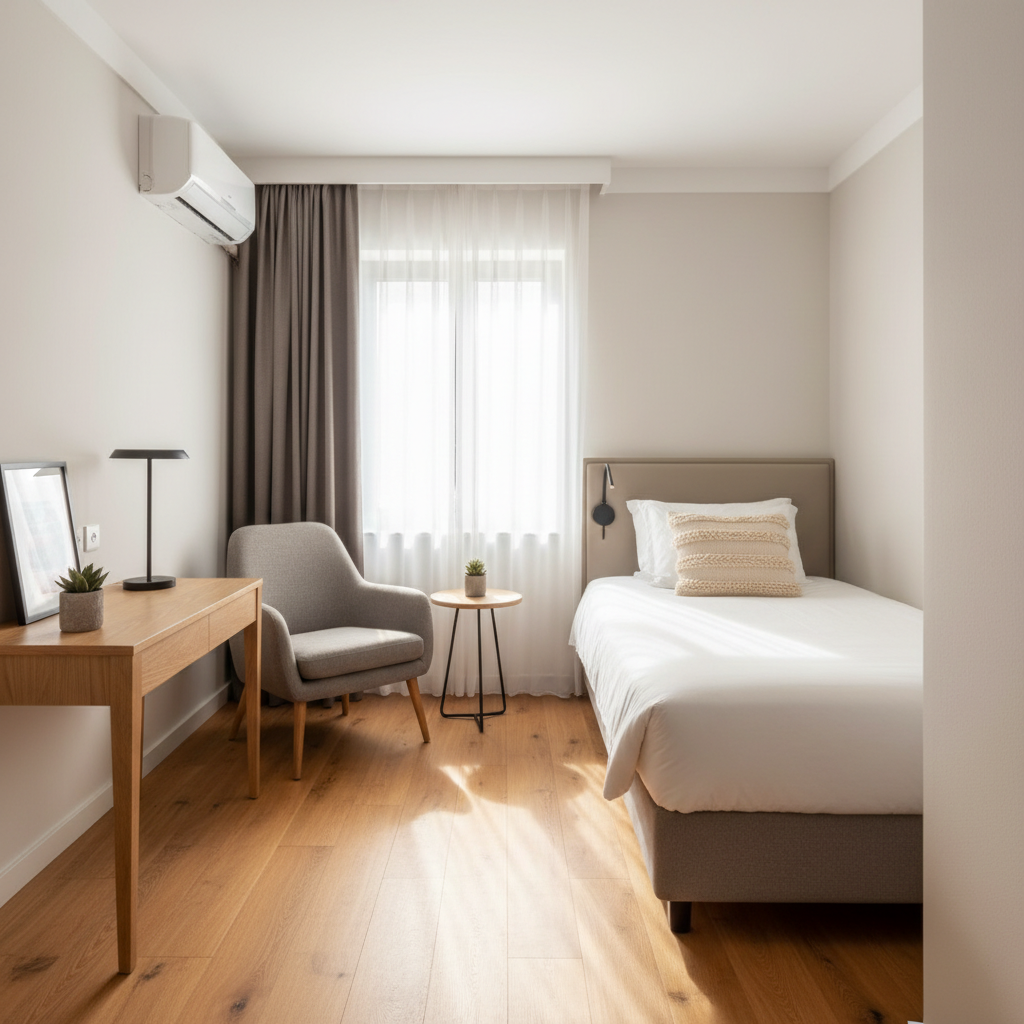
Many people believe that co-living means sacrificing privacy. In reality, modern co-living spaces are thoughtfully designed to balance communal and private areas. Residents often have their own private rooms and amenities, ensuring they can enjoy solitude when needed.
Community and Lifestyle
Co-living spaces emphasize community, providing shared areas such as kitchens, lounges, and workspaces. These environments foster social interaction and collaboration, making it easy for residents to form meaningful connections.
Myth 3: Poor Living Conditions
Another myth is that co-living spaces are poorly maintained. However, most co-living operators prioritize high-quality living standards. Regular cleaning services, well-maintained facilities, and modern furnishings are typically standard features.

Myth 4: Co-Living Is Expensive
Some believe co-living is a costly option, but it often provides great value for money. Utilities, internet, and other amenities are usually included in the rent, reducing additional expenses. Plus, the shared nature of the spaces can lead to savings compared to traditional renting.
Future of Co-Living
As the demand for flexible and community-oriented living grows, co-living spaces continue to evolve and expand across Europe. They offer a viable solution for those seeking a more connected and convenient lifestyle.
Myth 5: Limited Locations
Finally, some assume that co-living spaces are only available in major cities. While urban areas do host many co-living spaces, the trend is spreading to smaller towns and suburbs, broadening the options for potential residents.
By dispelling these myths, it's clear that co-living spaces offer a unique and modern approach to living, catering to a wide variety of needs and preferences.